Unlocking Versatility with the Mirror Icon: A Design Essential
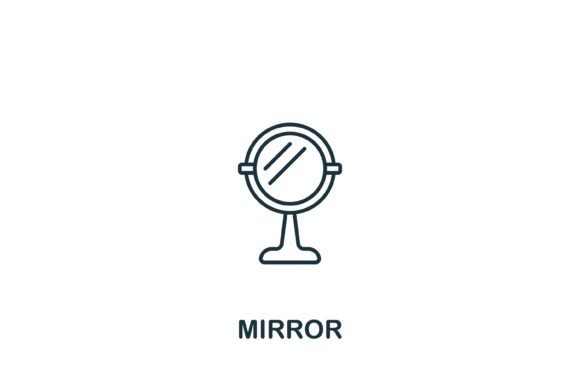
The Mirror Icon is a deceptively simple yet powerful design element that can transform your templates, web designs, and infographics. This minimalist symbol, often depicted as a clean, line-based graphic, offers a versatile solution for various creative and practical applications. Whether you're a designer, a marketer, or a content creator, the Mirror Icon can be a valuable addition to your toolkit.
Understanding the Mirror Icon
The Mirror Icon typically features a symmetrical, reflective design, which makes it instantly recognizable and visually appealing. It's not just a pretty image; it's a functional element that can convey a range of meanings and enhance user experience. The icon is available in multiple file formats—EPS, JPG, AI, and SVG—making it easy to edit and integrate into different projects.
Real-World Applications of the Mirror Icon
The Mirror Icon's versatility means it can be used across a wide array of scenarios, from personal projects to professional endeavors. Here are some real-world situations where the Mirror Icon shines:
- Web Design: Incorporate the Mirror Icon into your website's UI to indicate reflection, symmetry, or a toggle between two states. For example, use it to show a "before and after" effect on a product page or to represent a feature that mirrors content.
- Infographics: Use the Mirror Icon to highlight symmetry in data or to create a visual metaphor for concepts like duality, balance, or reflection. It can help make complex information more digestible and engaging.
- Templates: Add the Mirror Icon to document and presentation templates to signify mirrored text, images, or layouts. This is particularly useful in creating symmetrical designs or indicating a flip in orientation.
Industries and Audiences Benefiting from the Mirror Icon
The Mirror Icon is not limited to a specific industry or audience. Its broad appeal and adaptability make it a go-to choice for many professionals:
- Fashion and Beauty: In the fashion and beauty industries, the Mirror Icon can be used to represent self-reflection, symmetry in design, or the concept of looking at oneself. It's perfect for branding, packaging, and promotional materials.
- Architecture and Interior Design: Architects and interior designers can use the Mirror Icon to illustrate symmetry in floor plans, room layouts, or to denote mirrored elements in a space. It adds a touch of elegance and clarity to design presentations.
- Education and Training: In educational materials, the Mirror Icon can help explain concepts related to symmetry, reflection, and duality. It's a useful visual aid in teaching mathematics, physics, and art.
Practical Examples and Observations
Let's dive into some specific examples of how the Mirror Icon can be applied:
- E-commerce Websites: An e-commerce site selling furniture might use the Mirror Icon to allow customers to view a piece of furniture from different angles, enhancing the shopping experience and providing a clearer understanding of the product.
- Social Media Graphics: Social media managers can use the Mirror Icon in graphics to create a visually striking and balanced post. For instance, a symmetrical layout can make a post stand out and grab attention.
- Business Presentations: In a business presentation, the Mirror Icon can be used to compare two similar but slightly different strategies, showing the pros and cons of each. This can help in making informed decisions and presenting ideas clearly.
Considerations Before Using the Mirror Icon
While the Mirror Icon is a versatile and effective design element, there are a few considerations to keep in mind:
- Context Matters: Ensure the Mirror Icon fits the context of your project. Misuse can lead to confusion. For example, using it in a setting where it doesn't naturally fit, like a medical infographic, might not be the best choice.
- Consistency: Maintain consistency in style and usage. If you're using the Mirror Icon in a series of designs, make sure it looks uniform across all instances to avoid a disjointed look.
- Accessibility: Consider accessibility when using the Mirror Icon. Make sure it's clear and easily distinguishable, especially for users with visual impairments. Adding alt text and ensuring good color contrast can help.
Strengths and Limitations
The Mirror Icon has several strengths, including its simplicity, recognizability, and ease of use. However, it also has some limitations:
- Strengths: The Mirror Icon is highly versatile, easy to edit, and can be used in a variety of contexts. Its clean, line-based design makes it suitable for both modern and traditional aesthetics.
- Limitations: The simplicity of the Mirror Icon can sometimes be a drawback, as it may not always convey complex or nuanced ideas. Additionally, overuse can make it lose its impact, so it's important to use it judiciously.
In conclusion, the Mirror Icon is a powerful and flexible design element that can add value to a wide range of projects. By understanding its potential and applying it thoughtfully, you can create more engaging, informative, and visually appealing content. Whether you're designing a website, creating an infographic, or putting together a presentation, the Mirror Icon is a tool worth considering.