Understanding and Utilizing the Picket Icon in Design
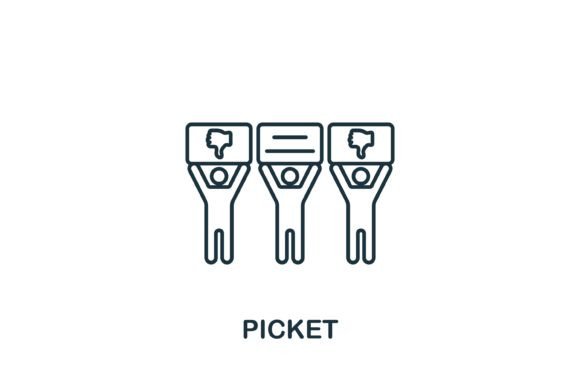
The Picket Icon is a versatile and simple element protest symbol, ideal for use in templates, web design, and infographics. This icon, often associated with social movements and activism, can be a powerful visual tool to convey messages of resistance, change, and solidarity. Available in various file formats such as EPS, JPG, AI, and SVG, the Picket Icon is easy to edit and integrate into different design projects.
Challenges and Goals in Visual Communication
One of the primary challenges in visual communication, especially in the context of social and political messaging, is creating a symbol that is both impactful and universally understood. The goal is to have an icon that not only captures attention but also clearly conveys the intended message. The Picket Icon, with its clear and straightforward design, addresses these challenges by providing a recognizable symbol that resonates with audiences across different platforms and contexts.
How the Picket Icon Can Help
The Picket Icon serves as a valuable asset in several ways:
- Clarity and Impact: Its simple and bold design makes it instantly recognizable, making it perfect for conveying strong, clear messages.
- Versatility: Available in multiple file formats (EPS, JPG, AI, SVG), it can be easily adapted for use in print, digital, and web-based projects.
- Customization: The icon's editable nature allows designers to modify it to fit specific campaign themes or branding requirements.
Practical Applications and Outcomes
The Picket Icon can be used in a variety of practical applications, each with its own set of outcomes:
- Web Design: Incorporating the Picket Icon into website designs can help reinforce the site's message and theme, particularly for organizations and campaigns focused on social issues.
- Infographics: In infographics, the Picket Icon can be used to highlight key points or to visually represent data related to social movements and protests.
- Print Materials: For brochures, flyers, and posters, the Picket Icon can serve as a focal point, drawing attention to the core message and encouraging engagement.
Examples and Recommendations
Consider the following examples and recommendations for using the Picket Icon effectively:
- Consistency in Branding: Use the Picket Icon consistently across all materials to build a cohesive brand identity. This consistency helps in reinforcing the message and making the campaign more memorable.
- Contextual Relevance: Ensure that the use of the Picket Icon aligns with the context of the message. For instance, if the campaign is about environmental justice, the icon can be customized with green elements to emphasize the cause.
- Interactive Elements: In web design, consider using the Picket Icon as part of interactive elements like buttons or hover effects to engage users and direct them to take action.
Different Approaches for Various Users
Users from different backgrounds and with varying goals may approach the Picket Icon in different ways:
- Designers: Graphic designers might focus on the aesthetic and technical aspects, such as color schemes and file format compatibility, to ensure the icon integrates seamlessly into their projects.
- Activists: Activists and organizers might prioritize the symbolic and emotional impact of the Picket Icon, using it to galvanize support and inspire action within their communities.
- Marketers: Marketing professionals could leverage the Picket Icon to create compelling and socially relevant campaigns, enhancing brand awareness and fostering a sense of community and purpose.
Conclusion
The Picket Icon is a powerful and flexible tool for anyone looking to make a statement through visual design. Whether you are a designer, an activist, or a marketer, the Picket Icon offers a way to communicate your message with clarity and impact. By understanding its potential and applying it thoughtfully, you can create effective and meaningful designs that resonate with your audience and drive positive change.