Mastering Isometric Information Search for Enhanced Visual Projects
Isometric Information Search is a powerful tool for finding and utilizing isometric graphics, which are incredibly versatile in web design, social media, infographics, and more. This 3D-like style offers a unique perspective that can make your projects stand out. However, to fully leverage the benefits of isometric designs, it's essential to understand common pitfalls and how to avoid them.
Understanding Isometric Graphics and Their Applications
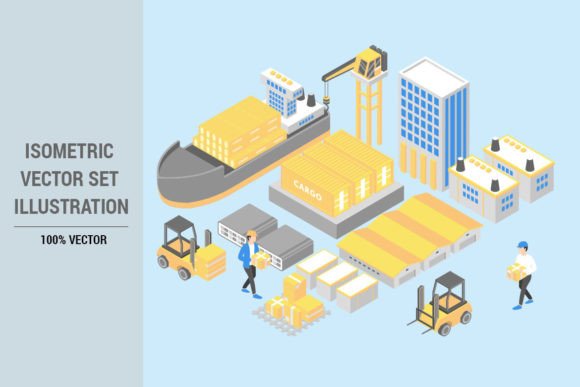
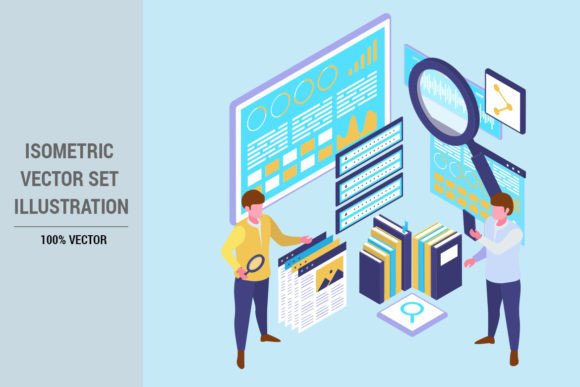
Isometric graphics are drawn in a way that gives the illusion of three dimensions on a two-dimensional plane. They are particularly useful for creating engaging visuals that are both aesthetically pleasing and functional. Whether you're designing a landing page, a set of icons, or an infographic, isometric graphics can add a dynamic and modern touch.
Mistake 1: Overlooking Vector Quality
One of the most critical aspects of isometric graphics is their vector nature. Vectors allow for scalability without losing quality, making them ideal for various applications. However, some users might inadvertently download raster images, which can become pixelated when resized. Always ensure the files you choose are vector-based, such as those created in Adobe Illustrator.
Mistake 2: Ignoring Layer Organization
Well-organized layers in your isometric graphics are crucial for easy editing and customization. Disorganized layers can lead to frustration and inefficiency. Before downloading or purchasing any isometric set, check if the layers are clearly labeled and logically arranged. This will save you time and effort in the long run.
Mistake 3: Neglecting Color Modes
Color modes play a significant role in the final appearance of your project. For digital projects, RGB (Red, Green, Blue) is the standard color mode. Using CMYK (Cyan, Magenta, Yellow, Key) for web graphics can result in color discrepancies. Always verify that the isometric graphics you select are in RGB mode to ensure accurate and vibrant colors.
Check the File Format and Compatibility
Before you download or purchase isometric graphics, confirm that the file format is compatible with your software. Adobe Illustrator is a popular choice, but other vector editors like CorelDRAW and Inkscape are also widely used. Ensure the files include AI (Adobe Illustrator) formats, which are highly editable and versatile.
Evaluate the Design Style and Consistency
Consistency in design is key, especially when using multiple isometric elements in a single project. Mismatched styles can detract from the overall quality and coherence of your work. Look for sets that offer a consistent design language, including similar line weights, color palettes, and stylistic elements.
Consider the Licensing and Usage Rights
Always read the licensing terms before using any isometric graphics. Some free resources may have restrictions on commercial use, while premium sets often come with more flexible licenses. Understanding the usage rights upfront can prevent legal issues and ensure you have the freedom to use the graphics as needed.
Conclusion
By avoiding common mistakes and following practical advice, you can maximize the potential of isometric graphics in your projects. Whether you're a beginner or a seasoned professional, taking the time to choose high-quality, well-organized, and correctly formatted isometric graphics will significantly enhance the impact and effectiveness of your visual content.
Thank you for considering these tips. Happy designing!